

Brake Maintenance
| Service | ||
| Day | Open | Closed |
| Monday | 7:00AM | 5:00PM |
| Tuesday | 7:00AM | 5:00PM |
| Wednesday | 7:00AM | 5:00PM |
| Thursday | 7:00AM | 5:00PM |
| Friday | 7:00AM | 5:00PM |
| Saturday | 7:00AM | 3:30PM |
| Sunday | Closed | Closed |
Guide to Brake Care and Maintenance
Taking care of your car's brakes is essential for safety and smooth driving. They quietly work to keep you in control on the road, making regular maintenance crucial for worry-free driving.
The Anatomy of a Brake System
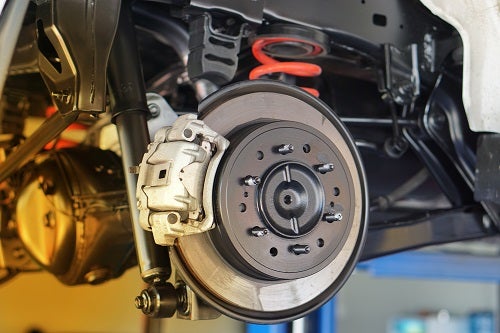
To grasp the brake system, it's essential to know its core components: brake pads, which use friction to convert kinetic energy into heat and slow down the wheels; brake calipers, which secure and apply pressure to the pads when you press the brake pedal; brake rotors, rotating discs that provide the surface for the pads to create friction; and brake fluid, hydraulic fluid that transmits force from the pedal to the calipers, activating the pads for effective braking. Understanding these elements is key to maintaining and ensuring the proper functioning of your vehicle's brakes.
The Importance of Caring for and Maintaining Brakes
Caring for and maintaining your brakes is crucial for several reasons. Proper maintenance ensures that your brake components perform efficiently, reducing stopping distances and enhancing overall safety on the road. Regular care helps to identify and address issues such as noise, vibration, or reduced braking power early on, preventing more costly repairs down the line. By prioritizing brake maintenance, you not only extend the lifespan of your vehicle's braking system but also minimize the risk of brake failure, which can have serious consequences for both you and other road users.
Essential Brake Care Practices
To maintain peak brake performance and extend the lifespan of your brake components, follow these essential care practices:
- Monitor Fluid Levels:Regularly check the brake fluid level in the reservoir to ensure it stays within the recommended range. Low levels could indicate leaks or worn brake parts.
- Listen for Warning Signs:Pay attention to unusual sounds or vibrations while braking, as these often signal the need for brake service.
- Avoid Harsh Braking: Practice smooth, gradual braking to minimize wear and tear on your brake components.
- Avoid Harsh Braking:Habituate smooth and gradual braking practices to minimize wear and tear on your brake components.
- Regular Brake Inspection:Schedule routine inspections with our qualified technicians at Tony Honda to assess brake condition, catch potential issues early, and promptly address them.
Maintaining Brake Performance
Regular brake maintenance is crucial for preserving your braking system's integrity and ensuring it performs at its best. Here are essential steps:
- Inspect and Replace Brake Rotors:Regularly check brake rotors for wear or damage, replacing them as needed to maintain braking efficiency.
- Address Brake System Leaks:Promptly repair any brake system leaks to prevent potential performance issues and ensure safety on the road.
- Flush Brake Fluid:Replace brake fluid every two years or 30,000 miles to maintain its effectiveness and prevent corrosion within the brake system.
- Replace Brake Pads:Brake pads are wear-and-tear components that typically need replacement every 30,000 to 50,000 miles, depending on driving habits and conditions.
Brakes are essential for driving safety.
Prioritizing brake care and maintenance ensures optimal performance, extends component lifespan, and preserves your vehicle's integrity. Regular inspections and proactive maintenance are crucial in keeping your brakes in top condition, providing a smooth and worry-free driving experience.